
The Unweeded Garden
A proposed iteration of
The UNPRECEDENTED Project for the Folger Shakespeare Library’s Public Humanities Fellowship
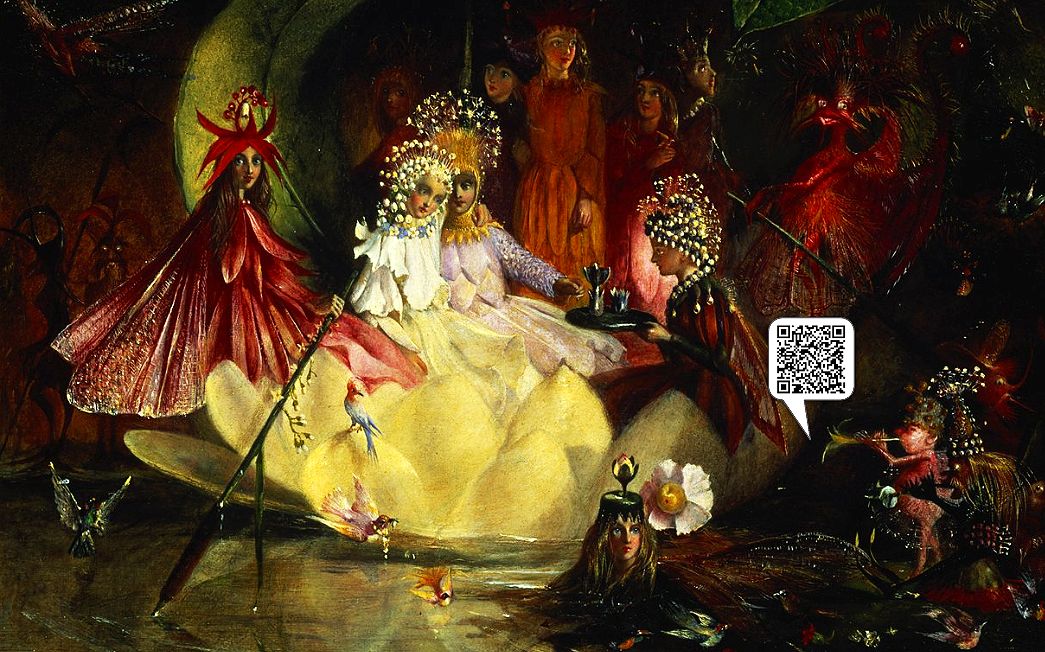
In 1590s Elizabethan England, amidst heightened political surveillance and sweeping artistic censorship, William Shakespeare wrote A Midsummer Night’s Dream. This is a play about illicit desire, oppressive authority, and the unruly human heart. At the time, all plays needed a license from the Master of the Revels, who reviewed and redacted scripts for forbidden topics. Directly criticizing the Queen, government, or church was off-limits; matters of deviant sexuality, religion, and rebellion were heavily restricted. Seditious theatre was threatened with a range of punishments—from stage closures to torture and imprisonment.
Under these conditions, playwrights like Shakespeare turned to the secret language of flowers. Volatile emotions were displaced into metaphors of woods and weeds—encoded in dense oaks, rotting roses, and hypnotic plants—where early modern anxieties could resist, perhaps timelessly, against the looming threat of erasure.
The Unweeded Garden will be a public humanities project that asks how people speak—privately and together—through nature metaphors when language feels limited. Drawing from Shakespeare’s forests, gardens, and wildernesses, the project will “plant” torn pages of early modern dramas across Washington, DC and invite passersby to transform them through redaction, or erasure poetry—using only the words on the page.
Participants will encounter a page “in the wild:” in public parks, trees, and courtyards, along with an invitation to play. With no prompts, no names, and no prescribed outcome, each erasure becomes an act of intuitive reading—what to preserve, and what to let disappear.
These altered Shakespearean texts will form a living, collective archive, digitally mapped across the city to reveal patterns of emotion that crop up against space, time, and constraint.


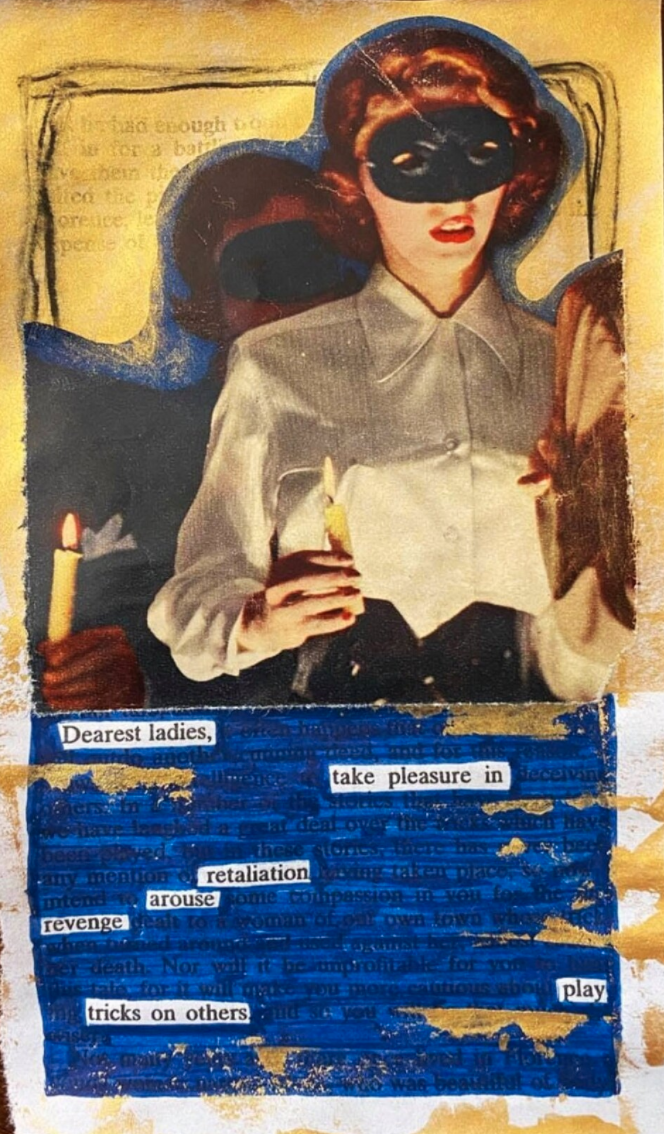

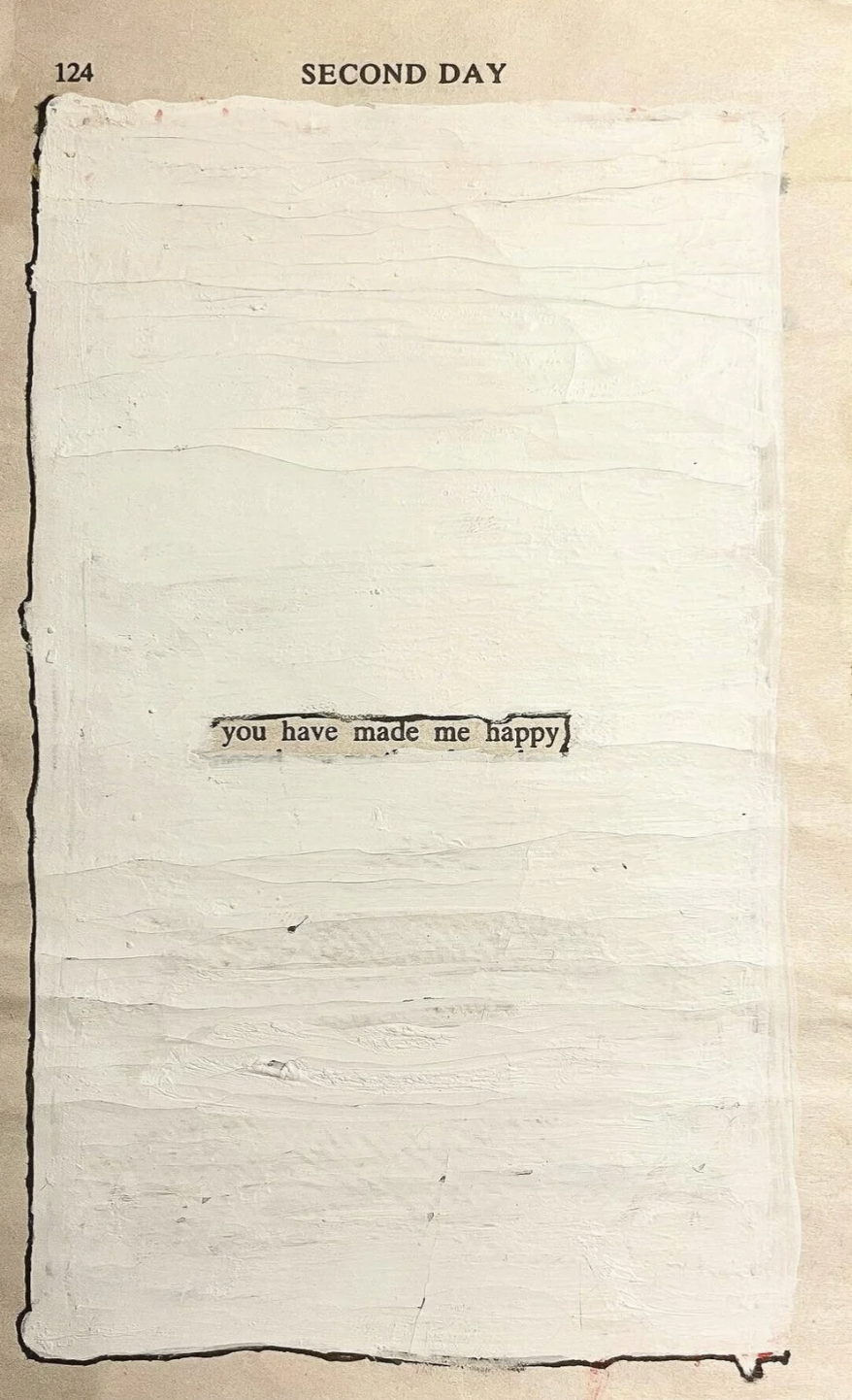
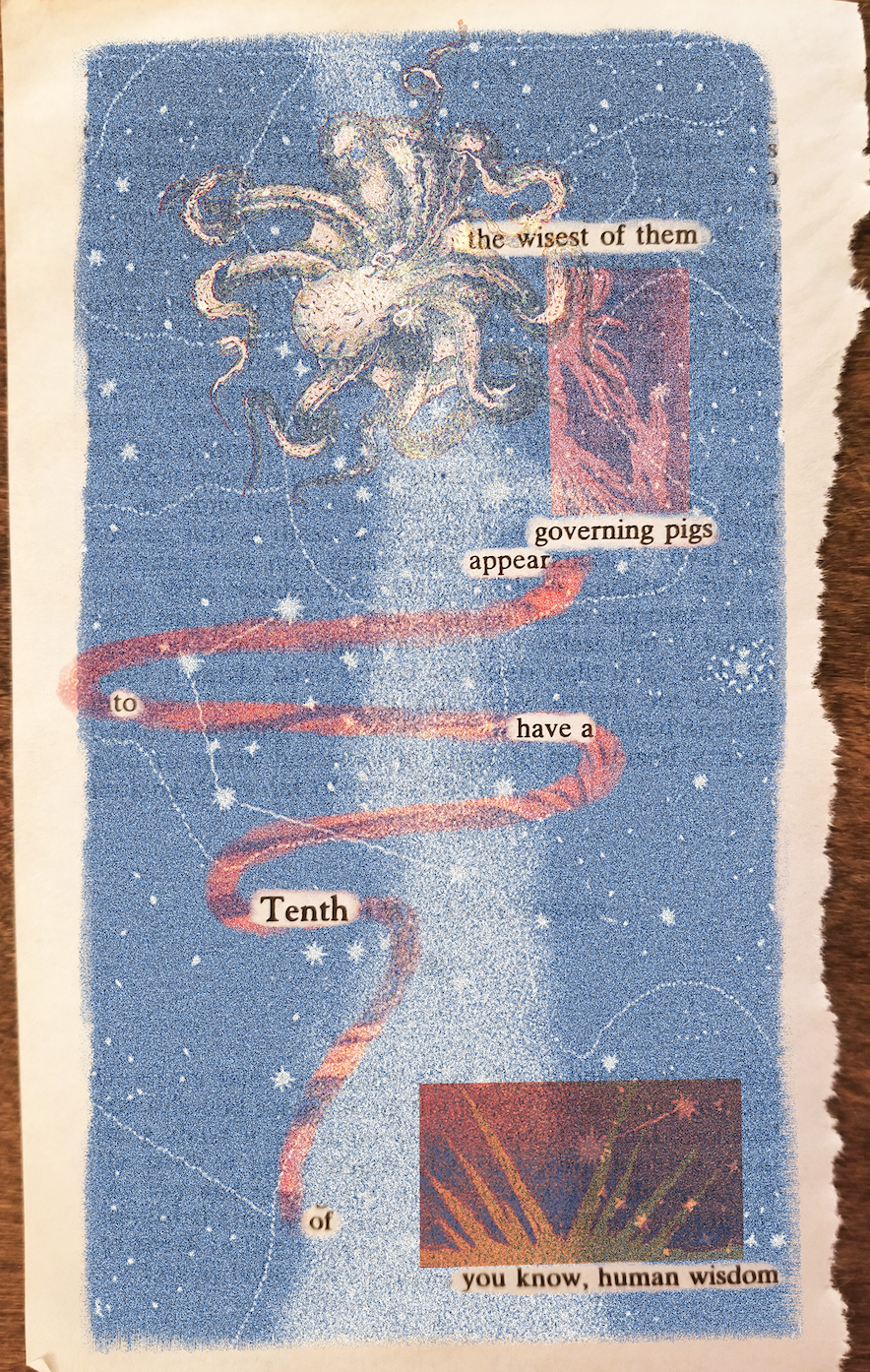

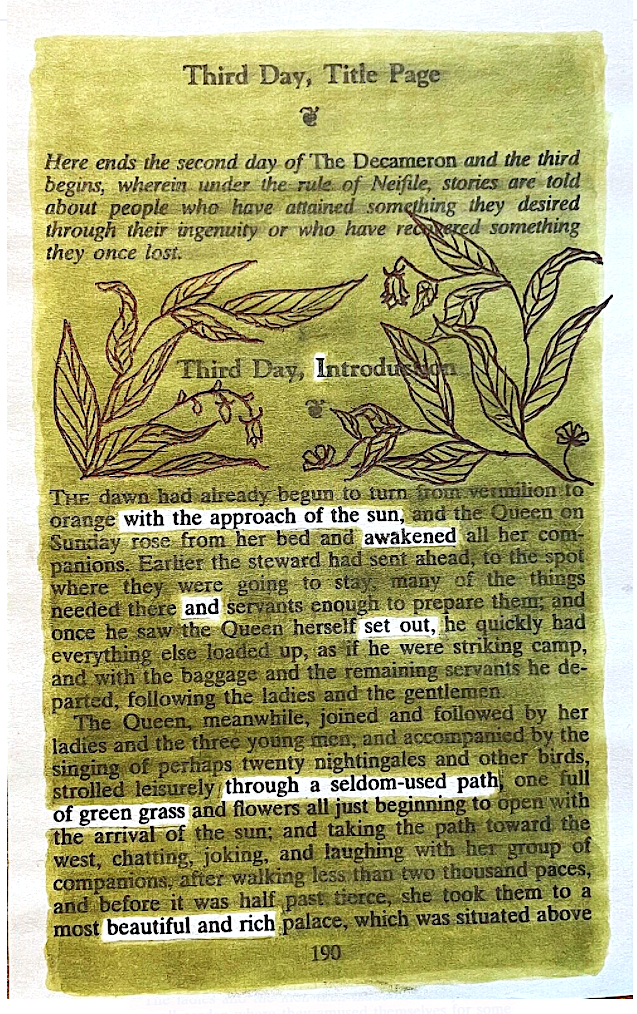
Flowers and forests have long functioned as forms of encrypted speech against polite, often authoritarian, society.
The Unweeded Garden will trace this anti-censorship strategy from Shakespeare’s stage to D.C.’s present landscape. Here, arboretums, cherry blossoms, and formal gardens reenforce nature and the capital as orderly, symbolic, and nationalized. Meanwhile, ecological language itself marks marginalized identities as extractable from the American body politic: unnatural, infested, invasive. Urban ecologies mobilize “grassroots” forms of resistance to protect diversity—as the earth struggles against biodiversity loss. Through chance acts of blackout poetry, artists and passersby alike might find the words—indirectly, perhaps instinctively—to reflect on this particular era of erasures.
The Unweeded Garden is an iteration of The UNPRECEDENTED Project.
The first iteration circulated pages of Giovanni Boccaccio’s The Decameron during the COVID-19 pandemic. The partial poetry collection lives in this gallery. Individual poems can be “contact-traced” geographically on this map, where one can speculate (but not determine) a poem’s origin.
submit.
Participants will upload their poems through a submission portal here. Physical poems can also be mailed, and collected as part of ongoing public workshops. Poems will be curated in UNPRECEDENTED’s ongoing collection.
featured.
Participants will click here to browse the Editor’s Pick, updated monthly.
